China Accelerates Coordinated Push: Joint Patrols, Davos Spotlight, and Alliance-Building Signal Strategic Momentum
China’s June 2026 Surge: Military Coordination with Russia, Economic Forums in Dalian and Beijing, and Neighborhood Diplomacy Highlight Beijing’s Bid for Greater Influence Amid Global Shifts

One source. No noise.
Bottom Line Up Front (BLUF):
In the final week of June 2026, Chinese authorities projected coordinated momentum across domains. The People’s Liberation Army conducted a high-profile joint strategic air patrol with Russia on June 27 while showcasing public engagement through Hong Kong Garrison open days. Major economic platforms—the Summer Davos in Dalian (June 23–25) and the China International Supply Chain Expo—emphasized innovation scaling and supply-chain resilience under the new 15th Five-Year Plan (2026–2030). Diplomatic efforts reinforced “all-weather” partnerships with Laos and Cambodia, alongside multilateral messaging on human rights governance. These activities collectively advance Beijing’s narrative of stability, openness, and multipolar leadership while deepening practical ties with key partners.
“Presenting the other side’s narrative in its own words is essential to understanding its strategic messaging and decision-making calculus.”
Key Highlights
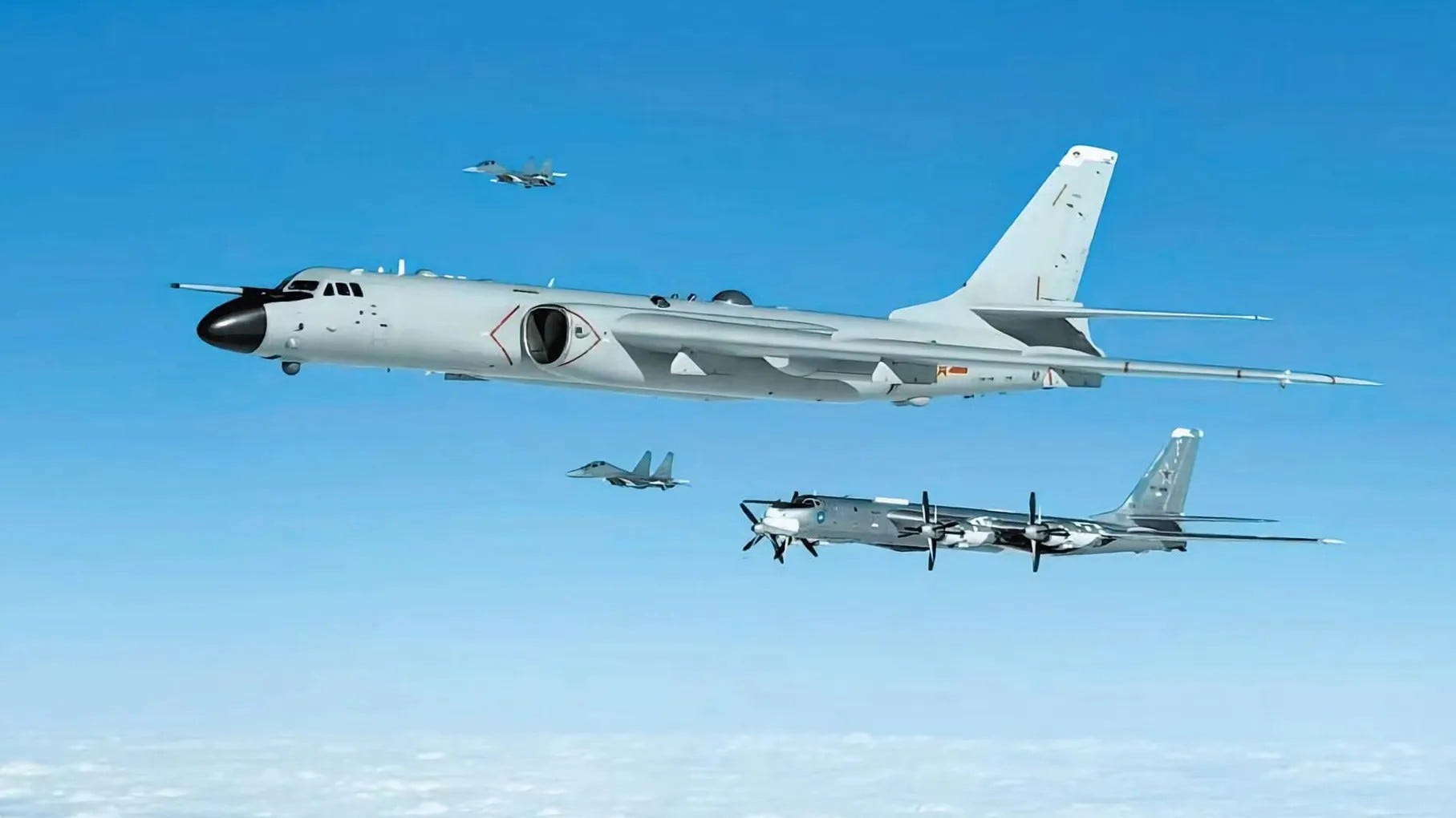
PLA and Russian air forces executed their 11th joint strategic air patrol over the Sea of Japan, East China Sea, and western Pacific on June 27, framing it as a demonstration of shared commitment to regional peace and stability.
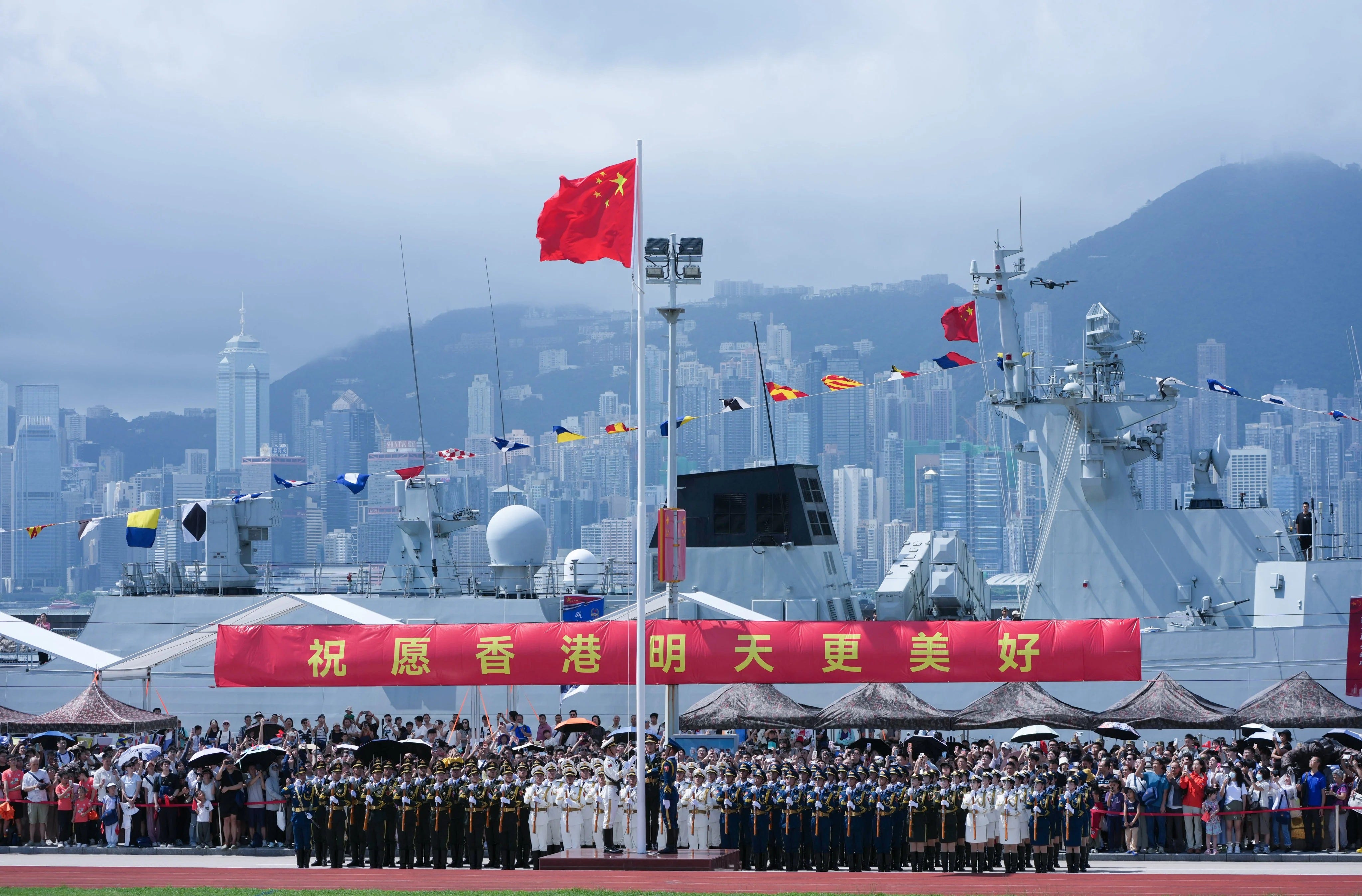
PLA Hong Kong Garrison opened barracks to the public starting June 20, drawing nearly 9,000 visitors on the first day with flag-raising ceremonies, equipment displays, and training demonstrations to mark the 29th anniversary of Hong Kong’s return.
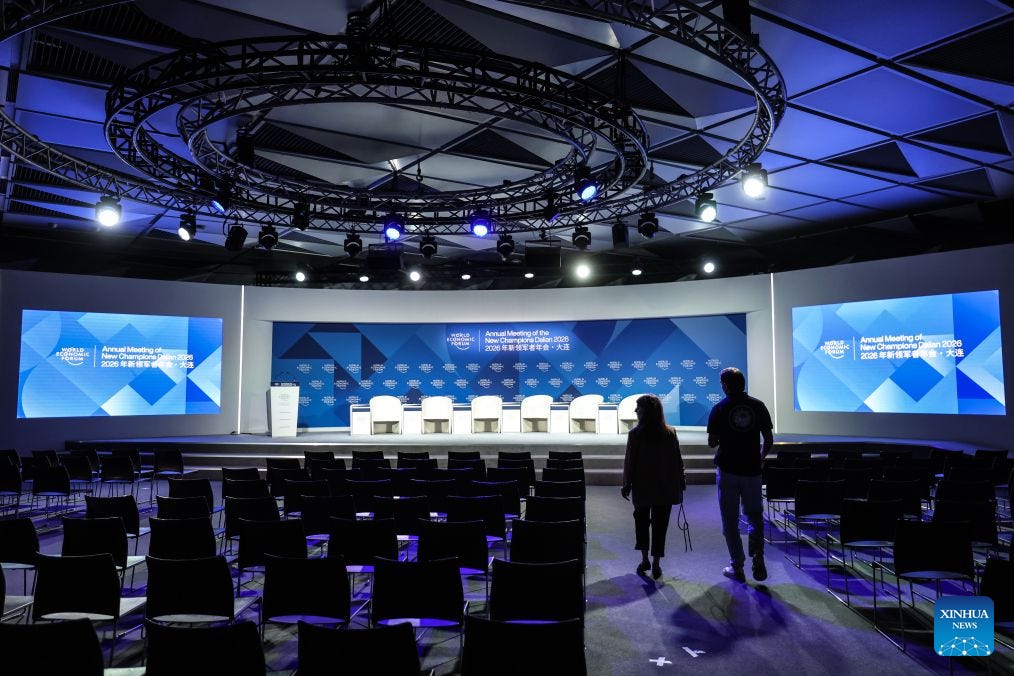
The 2026 Summer Davos Forum opened June 23 in Dalian under the theme “Innovating at Scale,” gathering over 1,700 participants from more than 90 countries to discuss China’s 15th Five-Year Plan and scaling innovation for global growth.
The fourth China International Supply Chain Expo launched in Beijing with over 1,200 exhibitors from 85 countries and regions, more than 36% foreign-invested, highlighting green and smart technologies.
China and Laos advanced their “all-weather community with a shared future,” with emphasis on the “3+3” strategic dialogue covering diplomacy, defense, and public security, plus accelerated China-Laos Economic Corridor and railway connectivity.
State Council issued plans accelerating agricultural and rural modernization during the 15th Five-Year Plan period, targeting enhanced food security and competitiveness by 2030.
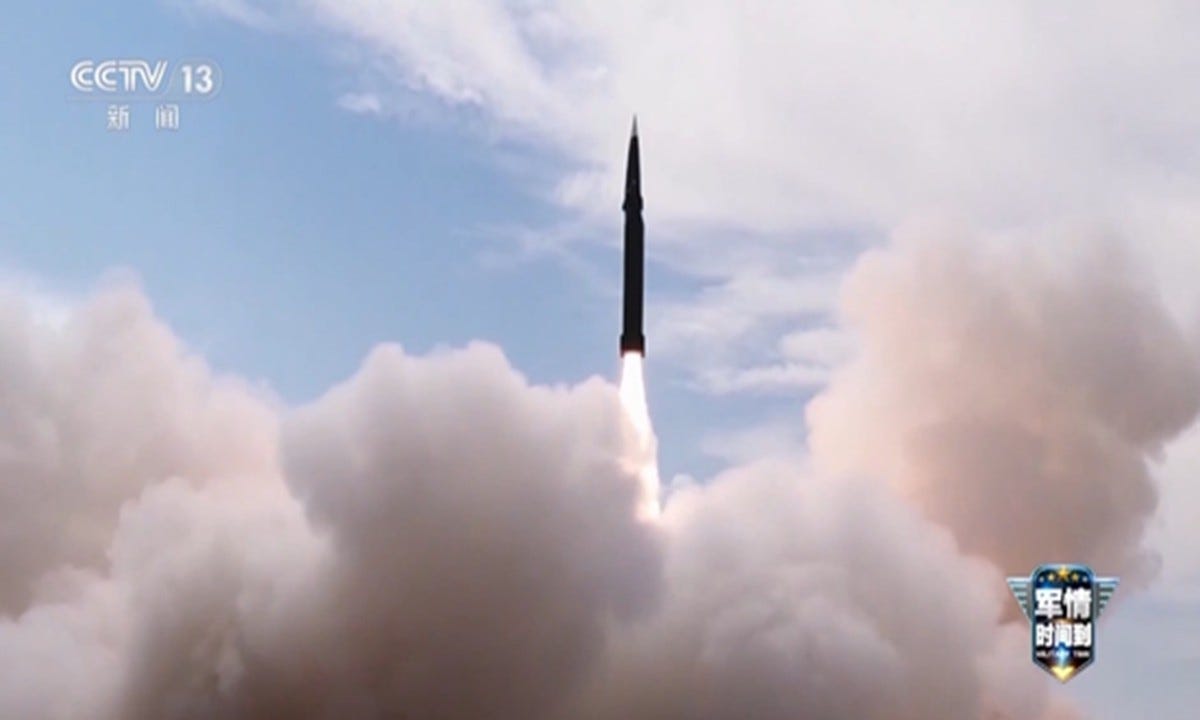
Official media showcased PLA Rocket Force DF-17 hypersonic missile capabilities publicly around mid-to-late June, underscoring technological progress.
Broader messaging reinforced China’s role as a constructive force in Eurasia and the Global South through stable neighborhood diplomacy and multilateral forums.
Editor’s Note
This article draws exclusively from official Chinese government websites and state-affiliated media outlets listed in the provided Chinese Directory. It is presented to give readers unfiltered insight into the Chinese perspective and how their authorities are framing recent events for both domestic and international audiences.
Strategic Momentum in a Pivotal Week
Chinese state narratives in late June 2026 portrayed a nation executing synchronized advances across military readiness, economic innovation, diplomatic outreach, and internal cohesion. Official outlets framed these developments not as isolated events but as interconnected elements of a broader strategy to consolidate gains from the 14th Five-Year Plan while laying foundations for the 15th Five-Year Plan (2026–2030). This period saw Beijing emphasize practical cooperation with traditional partners while projecting an image of openness through high-profile international forums. The messaging consistently positioned China as a stabilizer and innovator amid global uncertainties, with concrete actions in joint exercises, public military engagement, supply-chain diplomacy, and neighborhood partnerships reinforcing that narrative. These developments occurred against the backdrop of the new five-year planning cycle’s early implementation, with authorities highlighting resilience in the economy and determination to advance “Chinese modernization.” State media stressed continuity in leadership vision, practical outcomes in security cooperation, and the appeal of China’s development model to partners in Asia and beyond. The week’s activities collectively signaled intent to deepen integration within preferred frameworks while maintaining defensive postures in sensitive regions.
Military and Security
Official Chinese military sources detailed several concrete activities demonstrating operational tempo and partnership deepening during the reporting period. On June 27, the Chinese and Russian air forces conducted their 11th joint strategic air patrol in the airspace over the Sea of Japan, the East China Sea, and the western Pacific Ocean. Chinese Ministry of National Defense reporting described the patrol as demonstrating the two sides’ shared determination and capability to safeguard regional peace and stability. The activity involved coordinated flight operations across key maritime spaces, consistent with prior iterations that have grown in frequency and geographic scope.
Parallel to this high-end coordination, the PLA Hong Kong Garrison executed visible public-facing activities tied to the 29th anniversary of Hong Kong’s return to the motherland and the garrison’s own 29th anniversary. Starting June 20, the Ngong Shuen Chau barracks opened to the public, attracting nearly 9,000 Hong Kong citizens. Events included a flag-raising ceremony, a 108-member rifle-spinning performance by honor guards, military band performances, equipment displays, training demonstrations, and opportunities to taste military rations. Additional open days were scheduled at the Shek Kong and San Wai barracks for June 27 and 28. These activities were presented as celebrations reinforcing the garrison’s role in maintaining stability and fostering public understanding of the military’s presence.
Additional operational details from the period included the 3rd Chinese Peacekeeping Quick Reaction Force to Abyei completing a UN equipment inspection on June 23, underscoring ongoing contributions to international peacekeeping. Earlier in the month but with carryover relevance, a PLA Navy taskforce comprising the training ship Qijiguang (Hull 83) and amphibious dock landing ship Kunlunshan (Hull 998) departed Qingdao on June 15 for ocean-going training and overseas visits. The mission incorporated navigation training, role-specific practice, port calls, and cultural exchanges, carrying over 400 faculty and midshipmen plus more than 20 foreign military cadets from 10 countries including Myanmar and Brazil. Joint training with Mongolia under “Steppe Partner 2026,” focused on the theme of joint strike against illegal armed groups, featured subject demonstrations and cultural exchanges in early June in Inner Mongolia, with ongoing messaging on deepened mutual trust and capabilities for regional stability. Defense Minister Admiral Dong Jun had engaged counterparts, including in South Africa earlier in the month, framing such interactions as advancing practical cooperation.
State media and MOD channels consistently framed these activities as defensive, confidence-building, and contributory to broader peace and stability. Emphasis was placed on interoperability with partners, professionalization through training and inspections, and the PLA’s role in supporting national sovereignty and international obligations. No major new deployments or crises were announced; instead, the narrative highlighted steady operational rhythm and alliance-like coordination, particularly with Russia.
Implications for the United States
These activities reveal Beijing’s intent to normalize joint operations with Russia in sensitive air and maritime spaces proximate to U.S. allies and partners, potentially complicating freedom of navigation and alliance response planning. The Hong Kong open days project an image of control and public support in a strategically vital territory, while naval training missions with foreign cadets signal expanding influence in military education and capacity-building. U.S. planners must account for increased PLA-Russia coordination that could strain resources in a simultaneous contingency scenario and monitor how public military engagement in Hong Kong reinforces domestic narratives of stability under central authority. The overall tempo suggests accelerating efforts to build operational experience and partner networks that could erode U.S. advantages in the Indo-Pacific and beyond.
Technological and Space
Chinese state outlets highlighted continued progress in advanced capabilities, with public showcasing of key systems underscoring technological self-reliance and military modernization. Around mid-to-late June, official media publicly displayed footage of the PLA Rocket Force’s DF-17 hypersonic missile launch for the first time, accompanied by commentary on related systems potentially including upgraded variants of intermediate-range ballistic missiles. This transparency was framed as demonstrating maturing indigenous capabilities in high-speed, maneuverable strike systems.
Broader space and technology messaging tied into the 15th Five-Year Plan’s emphasis on frontier technologies and industrial ecosystems. While no major new orbital launches were detailed precisely within June 20–28, ongoing narratives referenced intensive 2026 space missions, including crewed flights, cargo resupply, asteroid exploration preparations, and reusable rocket flight tests. Commercial space efforts, such as prior Zhuque-series launches, were positioned as part of a vibrant ecosystem supporting national objectives. AI and intelligent computing power advancements were noted in economic contexts, with China ranking high globally in related patents and infrastructure scale.
These developments were presented as integral to “new quality productive forces,” enabling both civilian innovation and defense applications. Emphasis remained on independent innovation, scaling applications, and contributing to global technological progress through practical outcomes rather than rhetoric alone.
Implications for the United States
Public demonstration of hypersonic systems signals accelerating PLA progress in areas that challenge existing U.S. missile defenses and power projection. Combined with ambitious crewed and exploration missions planned for 2026, this trajectory indicates sustained investment in dual-use space and strike capabilities that could alter regional balances. U.S. technological leadership and export controls must adapt to counter the rapid scaling of Chinese intelligent computing and hypersonic maturation, while protecting sensitive supply chains that feed these programs. The integration of commercial space into national efforts further complicates sanctions and technology denial strategies.
Economic and Financial
Economic narratives centered on the rollout of the 15th Five-Year Plan (2026–2030) and high-visibility platforms demonstrating China’s attractiveness as a partner and innovation hub. The World Economic Forum’s Annual Meeting of the New Champions—Summer Davos—opened June 23 in Dalian under the theme “Innovating at Scale.” Over 1,700 participants from more than 90 countries and regions gathered to discuss scaling innovation into jobs, stronger economies, and new growth opportunities. Sessions addressed China’s next economic phase, technology’s role in the real economy, job creation, and the energy transition. The forum was positioned as the first major global showcase of the new five-year blueprint adopted earlier in 2026.Concurrently, the fourth China International Supply Chain Expo opened in Beijing, attracting more than 1,200 exhibitors from 85 countries, regions, and international organizations, with foreign-invested exhibitors exceeding 36%. The event highlighted green and smart technologies, supply-chain resilience, and opportunities for international participation in China’s industrial ecosystems.
Additional platforms, including the China-Eurasia Expo in Urumqi, emphasized green and smart positioning in trade with Central Asia, noting record trade volumes. The State Council issued a dedicated plan for accelerating agricultural and rural modernization during the 15th Five-Year Plan period, targeting enhanced food security, agricultural quality and efficiency, and consolidation of poverty alleviation gains by 2030. Overall economic messaging stressed resilience, positive momentum entering the new planning cycle, and China’s role in providing stability to global industrial and supply chains amid uncertainties.
Implications for the United States
The concentration of major expos and the Summer Davos in quick succession illustrates Beijing’s strategy to use economic diplomacy to build influence and alternative networks that could dilute U.S.-led frameworks. Emphasis on supply-chain resilience and “innovating at scale” directly competes with U.S. efforts to friend-shore and secure critical technologies. Agricultural modernization plans signal intent to reduce vulnerabilities while expanding export influence. U.S. policymakers should prioritize countering economic coercion tools, strengthening allied supply-chain alternatives, and ensuring that engagement at such forums advances rather than compromises core interests in fair trade, intellectual property, and market access.
Diplomatic and Geopolitical
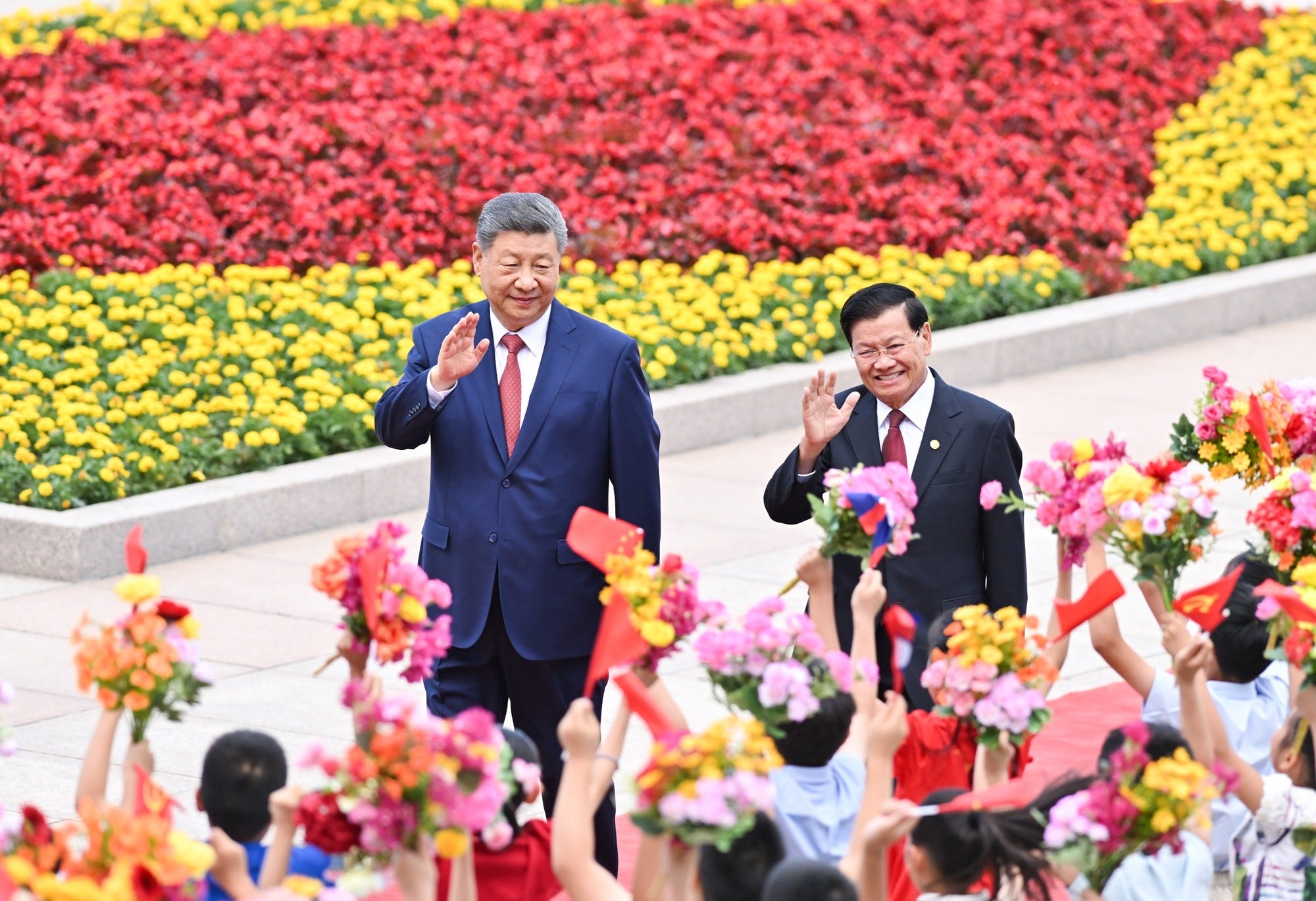
Diplomatic framing reinforced neighborhood priority and multilateral engagement. Building on the June 5–6 advancement of the China-Laos all-weather community with a shared future in the new era, messaging highlighted the 2026 China-Laos Friendship Year as an opportunity for expanded cooperation in culture, education, economy, trade, investment, clean energy, digital economy, and modern agriculture. Xi Jinping emphasized taking the “3+3” strategic dialogue on diplomacy, defense, and public security as a platform to deepen law enforcement and security cooperation against cross-border crimes, while accelerating railway connectivity among China, Laos, and Thailand.
Later in the period, Xi Jinping engaged on advancing the China-Cambodia community with a shared future, calling for joint efforts to safeguard peace, seek development, and foster prosperity. Emphasis included establishing a security partnership and sustained work against telecom fraud. Broader neighborhood diplomacy with Mongolia and others stressed mutual trust, support on core interests, and coordination in frameworks like the SCO and APEC.
The 2026 Forum on Global Human Rights Governance was scheduled for Beijing June 11–12, positioning China as a contributor to global governance discussions. Overall, state narratives portrayed China as a reliable partner delivering tangible connectivity, security cooperation, and development opportunities, contrasting with perceived instability elsewhere.
Implications for the United States
Deepening “all-weather” and “community with a shared future” frameworks with Laos, Cambodia, and others represents targeted influence operations in Southeast Asia that could complicate U.S. alliance and partnership efforts. The inclusion of defense and security dialogues alongside economic corridors signals integrated statecraft aimed at shaping regional security architectures. U.S. strategy should focus on offering compelling alternatives in infrastructure, security cooperation, and governance standards while monitoring how these partnerships enable Chinese access or influence in ways that affect freedom of navigation, counterterrorism, and economic standards in the region.
Chinese Internal Cohesion and Conflict
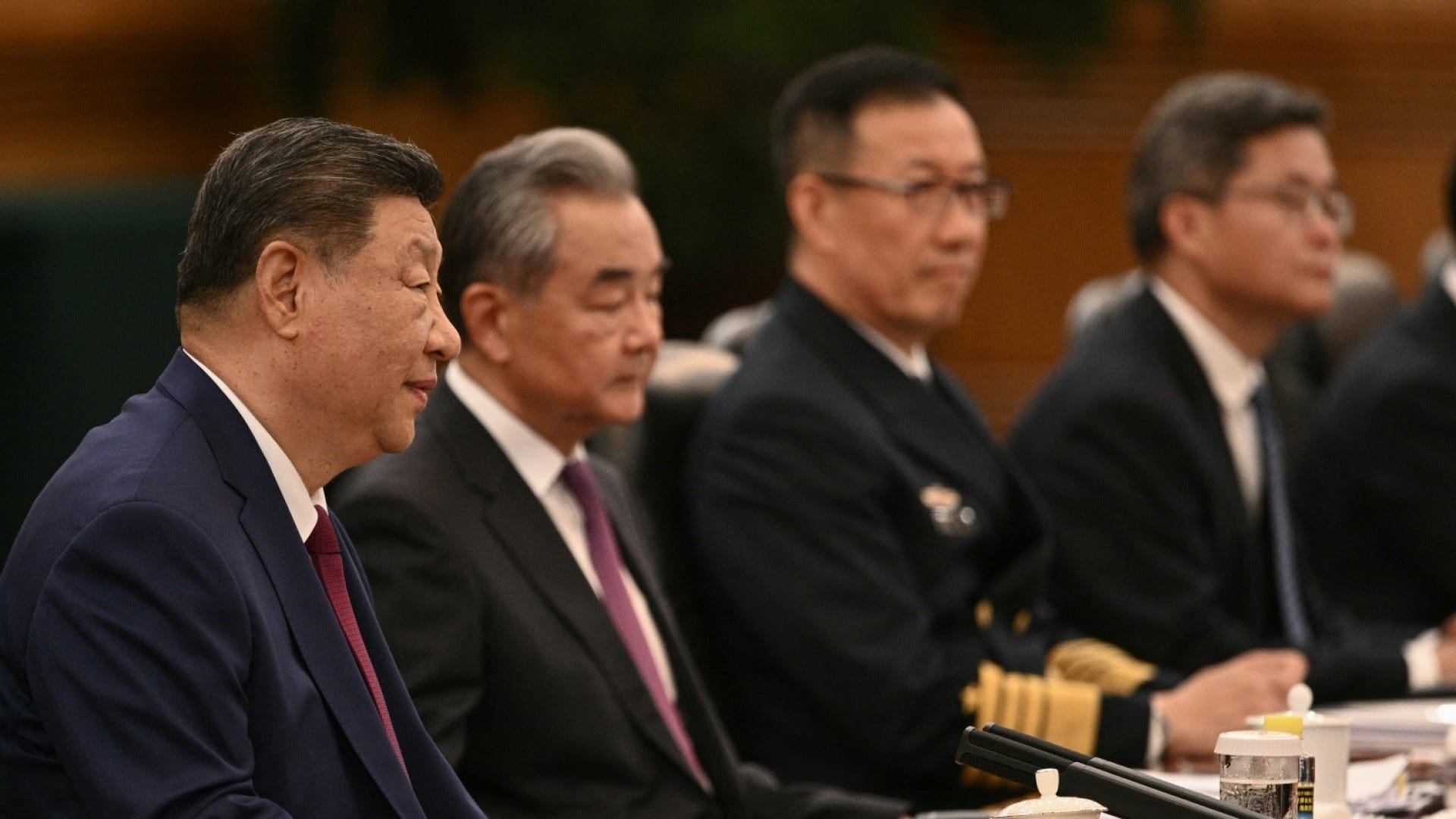
State narratives emphasized stability and effective governance without highlighting internal fractures. The PLA Hong Kong Garrison’s extensive public open days served as a visible demonstration of central authority’s presence and public engagement in the Special Administrative Region, reinforcing narratives of restored order and integration since 1997. Activities were framed as celebrations of Hong Kong’s return and the garrison’s role in safeguarding stability.
Broader governance messaging, often tied to Xi Jinping’s leadership, highlighted systematic approaches to long-term planning, whole-process people’s democracy, and successful poverty alleviation and modernization as models of cohesion. No major internal conflicts or unrest were reported in official channels during the period; instead, focus remained on continuity, Party leadership effectiveness, and the benefits of centralized strategic direction.
Sub-themes of asymmetric interests or operational incompatibility within alliances were not prominently addressed in native sources for this week; emphasis stayed on deepening practical cooperation with partners like Laos, Mongolia, and Russia, and shared commitments to stability. Diplomatic divergence or economic resource competition within the bloc received minimal direct coverage, with narratives instead stressing mutual benefit and coordination.
Implications for the United States
Visible military-public engagement in Hong Kong underscores Beijing’s prioritization of control and narrative dominance in contested territories. The absence of reported internal friction in official channels suggests effective information control and focus on external projection. U.S. assessments should continue monitoring indicators of elite cohesion, economic pressures, and public sentiment that could affect decision-making calculus, particularly regarding risk tolerance in external crises. Strengthened partnerships with regional actors wary of over-reliance on any single power remain essential.
A United States Counter Argument
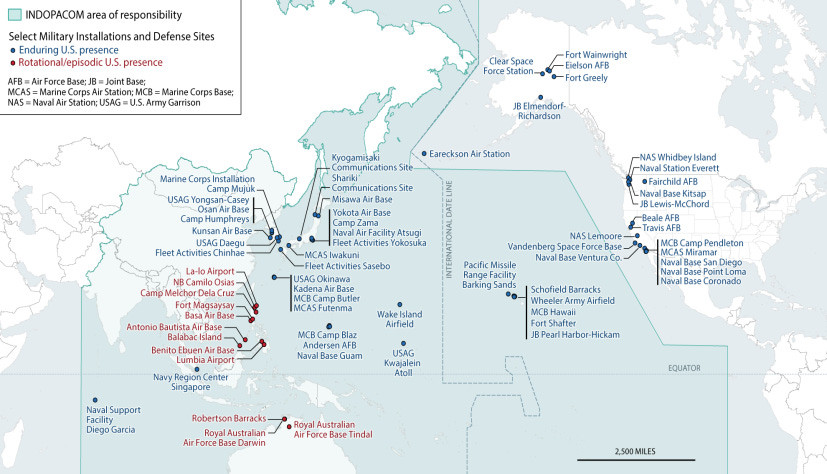
U.S. government sources and assessments have consistently viewed deepening China-Russia military coordination, including joint air patrols, as contributing to regional instability and challenging the rules-based international order. Official reports note the expansion of such combined activities as part of broader efforts to signal strength and complicate U.S. and allied planning. The Department of Defense has highlighted concerns over PLA modernization trajectories, including hypersonic and space capabilities, as altering balances and requiring sustained investment in deterrence.
On economic fronts, U.S. policy emphasizes secure and resilient supply chains through friend-shoring and diversification, viewing concentrated expos and forums as attempts to lock in dependencies that could be leveraged coercively. The State Department and Commerce have stressed the importance of fair competition, intellectual property protection, and market-oriented reforms, while supporting allies in resisting economic pressure. Diplomatic outreach by China is monitored for its impact on U.S. partnerships, with efforts to offer credible alternatives in security, infrastructure, and technology standards.
Overall, U.S. positions prioritize maintaining credible combat power, strengthening alliances, protecting critical technologies, and promoting transparent, rules-based governance. Actions include continued freedom-of-navigation operations, capacity-building with partners, export controls on sensitive items, and diplomatic engagement to counter narratives that portray multipolar arrangements as inherently stabilizing when they may instead enable revisionist aims.
Conclusion: Assessing the Trajectory
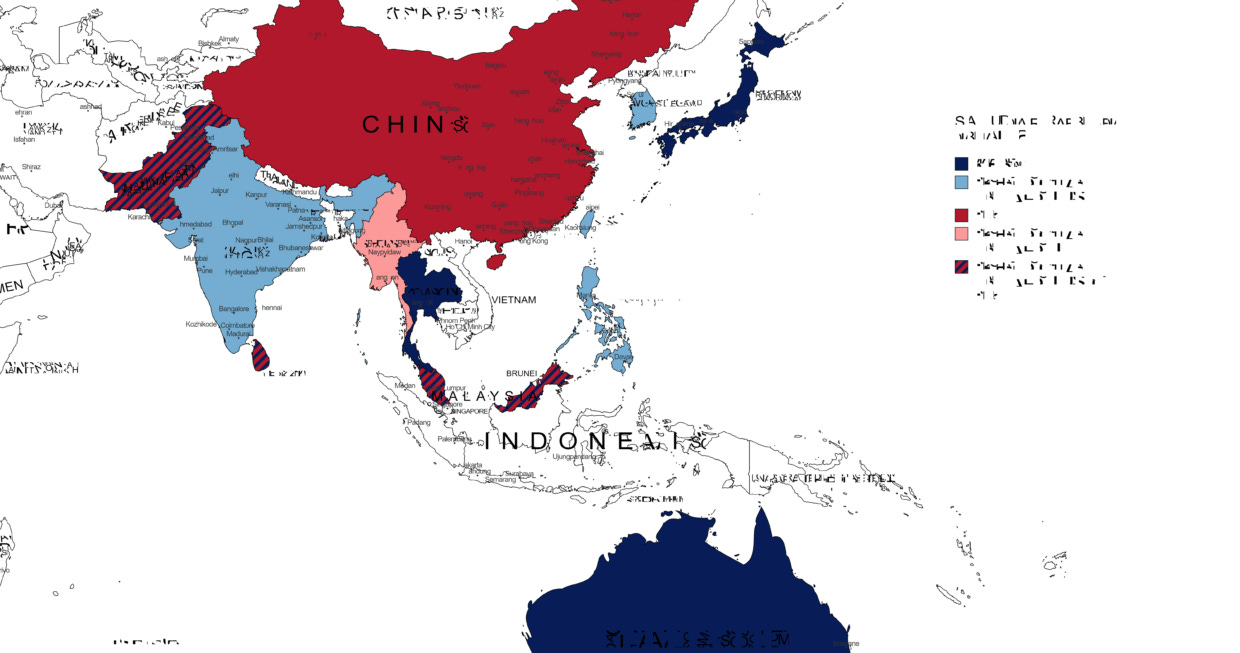
The week of June 20–28, 2026, illustrated Beijing’s capacity to synchronize messaging and action across military, economic, and diplomatic lines. Joint patrols with Russia, public military displays in Hong Kong, major innovation and supply-chain forums, and targeted neighborhood diplomacy collectively advanced a narrative of rising confidence and strategic autonomy. The early implementation of the 15th Five-Year Plan provided an overarching framework, linking technological self-reliance, economic resilience, and international engagement.
From a U.S. perspective, these developments warrant close attention to operational patterns, partnership deepening, and influence projection that could cumulatively shift regional dynamics. While Chinese sources emphasize defensive and cooperative intent, the practical effects include normalized high-end military coordination with Russia, expanded economic leverage through platforms that attract global participation, and incremental security ties in Southeast Asia. Sustained, coordinated U.S. responses—combining military readiness, economic resilience measures, alliance strengthening, and clear strategic communication—will be essential to preserving advantages and deterring escalation.
A Comprehensive United States Actionable Intelligence Report Summary
U.S. warfighters, intelligence analysts, leaders, senior intelligence analysts, threat intelligence teams, small research collectives, independent OSINT practitioners, or anyone doing deep geopolitical or cyber research on Chinese-aligned actors
Prioritized Findings:
PLA-Russia Operational Coordination (High Confidence): Execution of the 11th joint strategic air patrol on June 27, 2026, over key maritime areas indicates maturing interoperability and intent to conduct routine, signaling activities in areas of U.S. ally interest. Recommendation: Enhance ISR coverage and allied coordination for rapid response; update contingency plans for simultaneous multi-theater stress.
Hong Kong Garrison Visibility and Control (High Confidence): Large-scale public open days demonstrate sustained emphasis on visible military presence and narrative control in Hong Kong. Recommendation: Monitor for indicators of internal security posture changes; assess implications for potential contingencies involving the territory.
Economic Diplomacy Acceleration (High Confidence): Summer Davos and Supply Chain Expo in quick succession highlight use of high-profile platforms to shape global perceptions and build supply-chain dependencies aligned with 15th FYP priorities. Recommendation: Track foreign participation and agreements for dual-use technology flows; bolster allied economic resilience initiatives.
Neighborhood Security-Economic Integration (Medium-High Confidence): Advancement of “3+3” dialogues and all-weather frameworks with Laos and similar partners integrates security and economic tools. Recommendation: Prioritize partner capacity-building and alternative connectivity options to mitigate influence gains.
Technological Demonstration (Medium Confidence): Public DF-17 showcasing and ongoing space/missile modernization narratives confirm continued progress in asymmetric capabilities. Recommendation: Update threat assessments on hypersonic and space systems; accelerate countermeasures development.
Immediate Operational/Strategic Recommendations:
Increase focused collection on PLA-Russia exercise patterns and logistics supporting joint operations.
Develop scenario-based wargaming incorporating concurrent economic coercion and military signaling.
Strengthen information operations to counter Chinese narratives on stability and multipolarity with evidence-based alternatives.
Enhance collaboration with allies on supply-chain mapping and technology protection specific to 15th FYP sectors.
Maintain calibrated presence and messaging to deter miscalculation while avoiding unnecessary escalation.
Disclaimer
“This article compiles and analyzes information drawn from official Chinese government and state-affiliated media sources listed in the provided Chinese Directory. It does not constitute endorsement of any policy or claim. Users are encouraged to consult the original sources directly for verification. All assessments represent an independent strategic evaluation and carry no affiliation with any government entity.”
Works Cited
https://english.news.cn/20260605/24828389949644beabfa0c0d739037ce/c.html
https://english.news.cn/20260624/36979bf7fe1f4fa5b8e38954079c0593/c.html
https://english.www.gov.cn/news/202603/24/content_WS69c251b7c6d00ca5f9a0a144.html
https://english.www.gov.cn/policies/latestreleases/202606/02/content_WS6a1ecf59c6d00ca5f9a0b5dc.html
Additional supporting pages from eng.mod.gov.cn, english.news.cn, globaltimes.cn, and en.people.cn as referenced in tool results for June 2026 content.